

What if the weather in Melbourne is firing up and up, and you get exhausted seeing this? Tiring, isn’t it? Indeed, it is! Melbourne’s weather is not as friendly as it seems. After a harsh afternoon, there may be strong winds sweeping and disturbing your BBQ party with friends. You glance at your backyard and wonder — could one simple awning save you from the discomfort?
Before answering that, let’s see what awnings are. Let’s dive in and get into reading-
What Are Awnings?
Homes across suburbs like Werribee, Brighton, and Essendon face the same challenge every summer, such as overheating rooms, unusable decks, and furniture that fades too quickly.
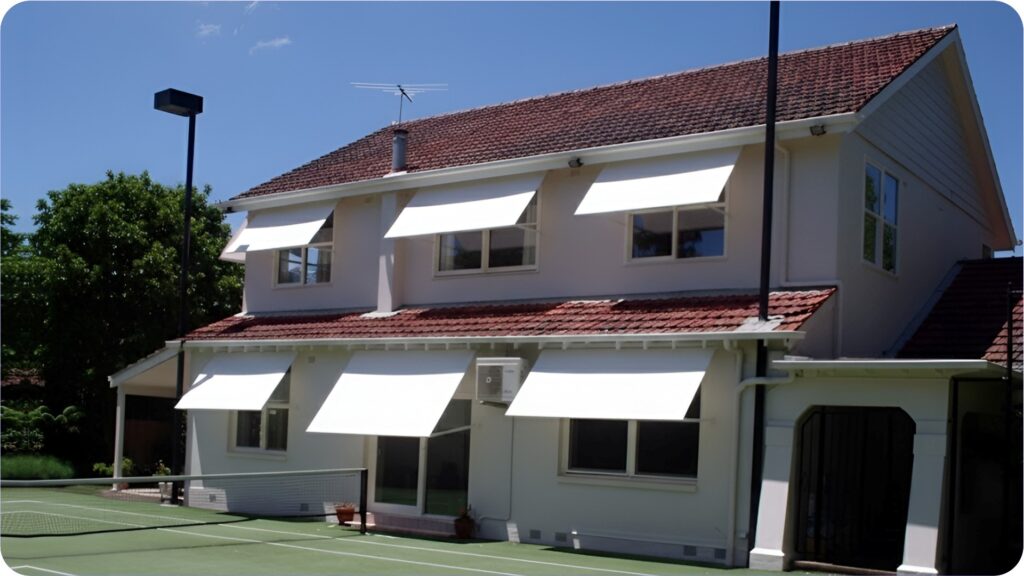
Awnings are used in such cases. They are external shading structures installed above windows, doors, patios, or decks. They extend outward from a building to block direct sunlight and reduce heat before it reaches glass surfaces.
Unlike internal blinds or curtains, awnings stop solar radiation from entering the home. This reduces heat transfer and limits glare inside living spaces.
Modern awnings are typically constructed using:
Powder-coated aluminium frames for structural strength
Acrylic or polyester fabrics for UV resistance
Optional motor systems for automated control
By controlling direct sunlight externally, awnings help regulate indoor temperature, protect surfaces from UV exposure, and improve outdoor comfort.
However, not all awnings operate the same way.
Understanding the different types makes the decision clearer.
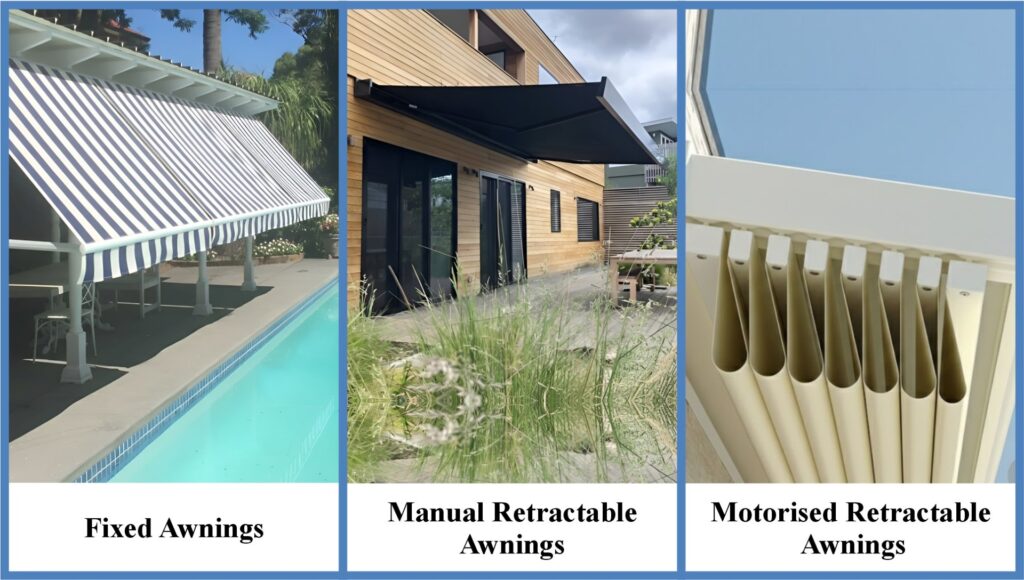
The Three Main Types of Awnings
1. Fixed Awnings
Permanent structures installed above windows or outdoor areas. They provide consistent protection year-round.
2. Manual Retractable Awnings
Crank-operated systems that extend when needed and retract when the weather changes.
3. Motorised Retractable Awnings
Electric systems with internal tubular motors. Some include wind or sun sensors for automatic adjustment.
Each type serves a different purpose. The key is understanding which one matches the property, lifestyle, and long-term expectations.
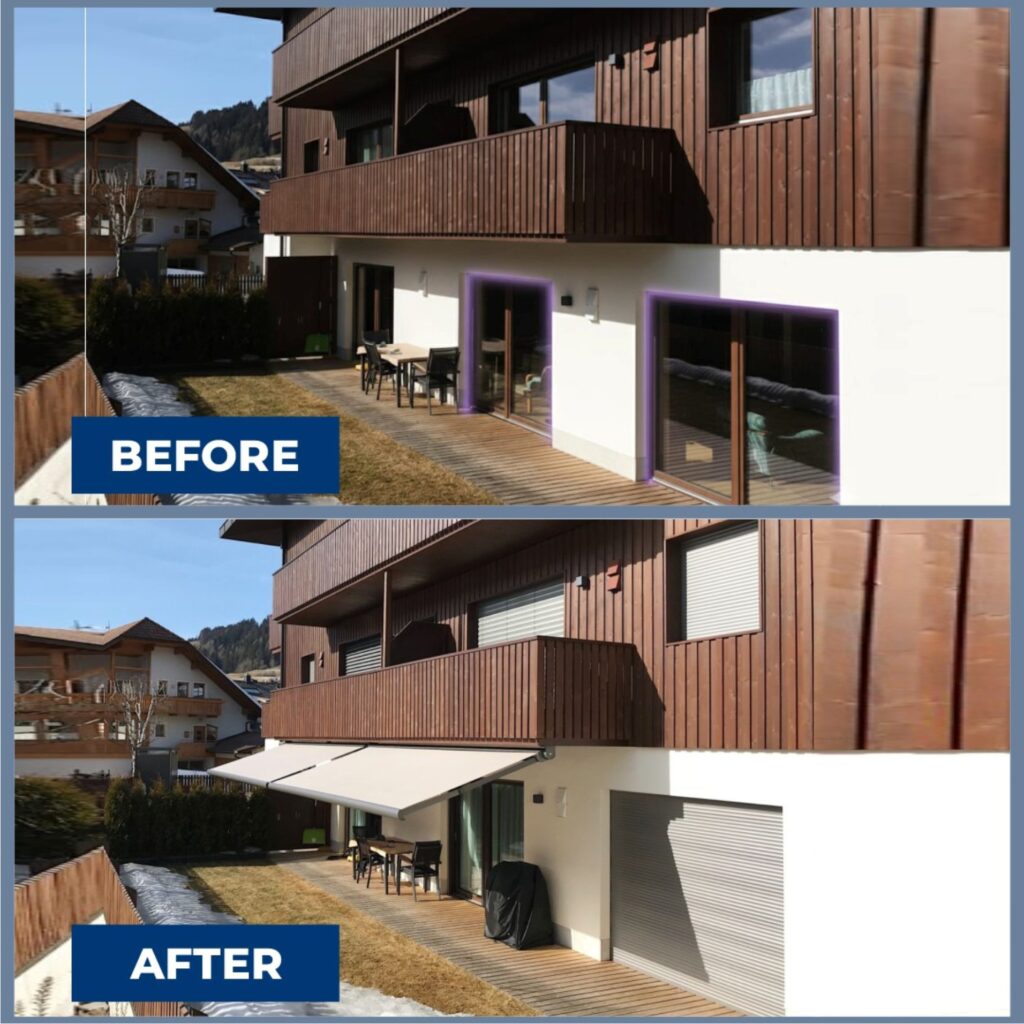
Why Melbourne Homes Overheat So Easily
Once sunlight passes through glass, it becomes trapped heat. This is known as the greenhouse effect (when solar radiation enters but cannot easily escape). West-facing rooms are especially vulnerable during summer afternoons.
Internal curtains or blinds only block light after it has already entered the room. By that stage, heat buildup has begun.
External awnings work differently. They block direct solar radiation before it reaches the window. That early intervention significantly reduces heat transfer.
In many Melbourne homes with properly installed external shading, indoor temperatures during peak afternoon periods feel noticeably more stable. Air conditioners do not need to work as aggressively, and living spaces remain usable for longer hours.
Temperature control is important. But heat is only part of the issue.
The Long-Term Impact of UV Exposure
Melbourne regularly records high UV levels during summer, even on days that feel mild. UV radiation affects more than skin.
Over time, constant exposure leads to:
• Fading timber decking
• Discoloured outdoor cushions
• Carpet bleaching near windows
• Warped or cracked timber flooring
• Leather furniture deterioration
Quality awning fabrics often carry a UPF 50+ rating, meaning they block more than 98% of harmful ultraviolet radiation. This protects both people and property underneath.
Homes that delay external shading frequently spend far more later on repairs or replacements. Proper awning installation is preventative, not cosmetic.
The next question most homeowners ask is practical.
Which type actually works best?
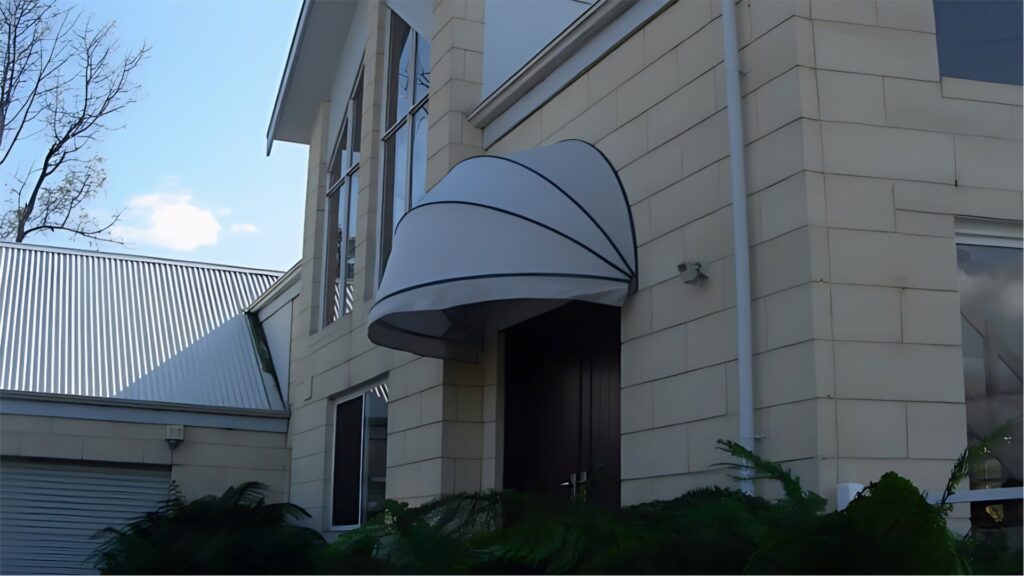
Fixed Awnings: Permanent and Reliable
Fixed awnings remain in place all year. They are commonly installed above windows that receive constant direct sun.
Advantages include:
• Minimal moving parts
• Lower maintenance requirements
• Consistent shading
• Strong structural stability
They suit areas where sun exposure is predictable and constant.
However, fixed systems do not offer flexibility. During winter, when natural sunlight is welcome for warmth, permanent shading may reduce passive heating.
For homeowners seeking adaptability, retractable options often become more appealing.
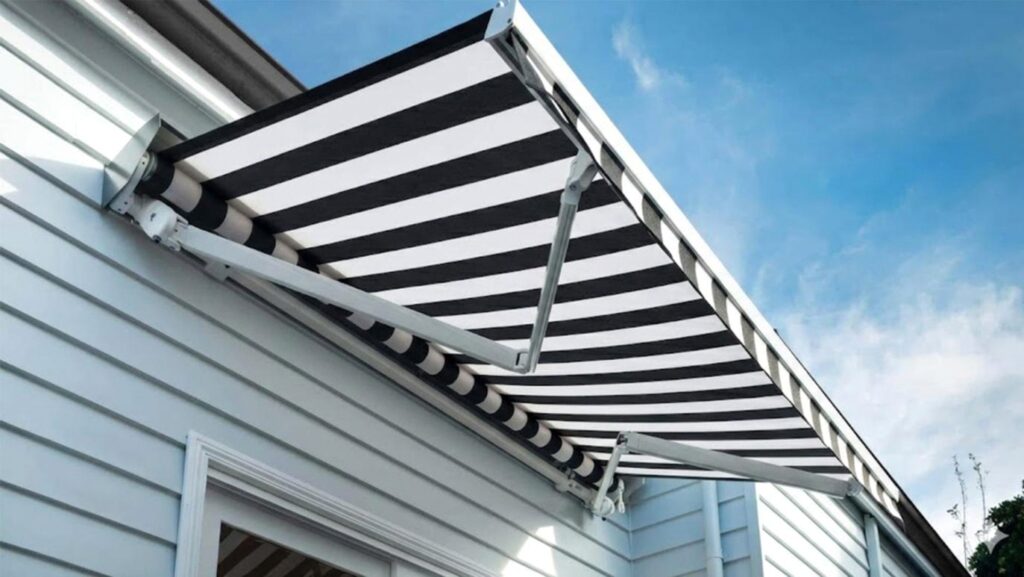
Manual Retractable Awnings: Simple and Budget-Friendly
Manual retractable awnings use a crank mechanism. The system rolls out when shade is required and retracts when protection is no longer needed.
They are generally more affordable than motorised systems and suit smaller outdoor areas.
However, larger spans require physical effort. Over time, uneven retraction can create fabric tension issues. If not aligned properly, wear can develop along edges.
Manual systems remain practical for compact patios or where budget is a primary factor. For larger entertaining areas, ease of operation becomes more important.
That is where motorised systems gain popularity.
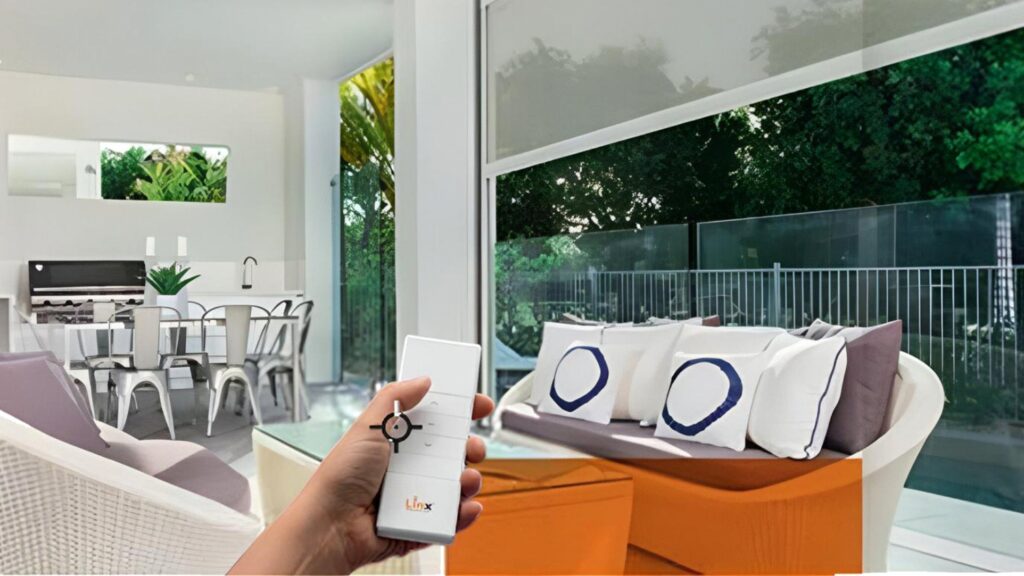
Motorised Retractable Awnings: Controlled Comfort
Motorised retractable awnings use a tubular motor (a slim cylindrical motor installed inside the roller tube). Operation occurs via remote control, wall switch, or smart integration.
Many systems can also include:
• Wind sensors (devices that retract the awning during strong gusts)
• Sun sensors (automatically extend shade during peak sunlight)
• Rain sensors for weather response
Given Melbourne’s unpredictable weather patterns, automation reduces the risk of fabric strain or structural damage. According to data from the Bureau of Meteorology, wind gusts can intensify quickly during storm fronts. Automatic retraction protects the investment without requiring manual intervention.
Motorised systems are especially popular for larger decks and outdoor dining areas where consistent shade improves usability.
Professionally installed systems from Shade Systems are calibrated for correct tension and structural alignment, ensuring long-term reliability.
Convenience is clear. The financial aspect requires closer examination.
Understanding Costs and Value
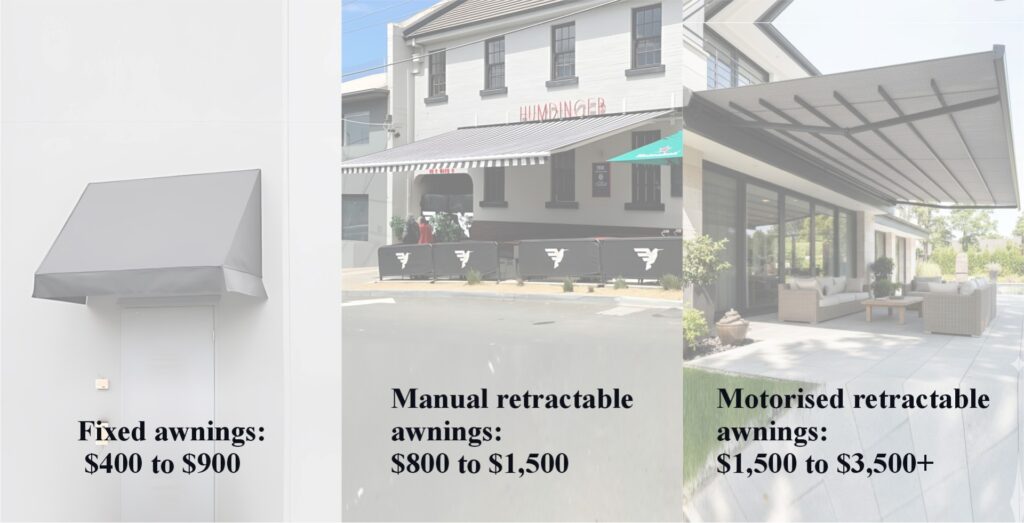
Pricing varies depending on size, material, and operation type.
General estimates in Melbourne:
• Fixed awnings: $400 to $900
• Manual retractable awnings: $800 to $1,500
• Motorised retractable awnings: $1,500 to $3,500+
Costs increase with width, projection length, fabric upgrades, and sensor additions.
While motorised options require a higher upfront investment, they often reduce long-term wear due to even motor-driven tension. This can extend fabric lifespan.
Additionally, reducing indoor heat load decreases reliance on cooling systems. Even moderate reductions in air conditioner usage contribute to long-term savings.
Value should be measured across years, not months.
Installation Matters More Than Most Realise
Improper installation leads to the majority of performance issues.
Common DIY problems include:
• Incorrect bracket anchoring
• Insufficient wall reinforcement
• Uneven pitch angle
• Poor electrical connections in motorised units
Awnings must be mounted on structurally sound surfaces. In brick veneer homes, correct anchoring depth is critical. Incorrect pitch reduces water runoff and can stress the fabric.
Professional installation ensures correct load distribution and compliance with Australian standards.
Shade Systems has operated in Melbourne for over 35 years, understanding local building types and weather conditions. This experience reduces structural risk and ensures proper long-term function.
Fabric Choice and Maintenance
Fabric selection influences both performance and appearance.
Lighter colours reflect more solar radiation, reducing heat absorption. Darker fabrics provide stronger glare control and enhanced UV blocking.
Modern awning fabrics are typically:
• Acrylic-based for durability
• Treated for mildew resistance
• Designed for colour retention
Maintenance requirements are straightforward:
• Rinse periodically to remove dust
• Inspect brackets annually
• Retract during extreme wind events
Motorised systems automatically maintain even tension during extension and retraction, reducing fabric distortion over time.
With appropriate care, high-quality awnings can perform effectively for more than a decade.
Is an Awning Worth It for Melbourne Homes?
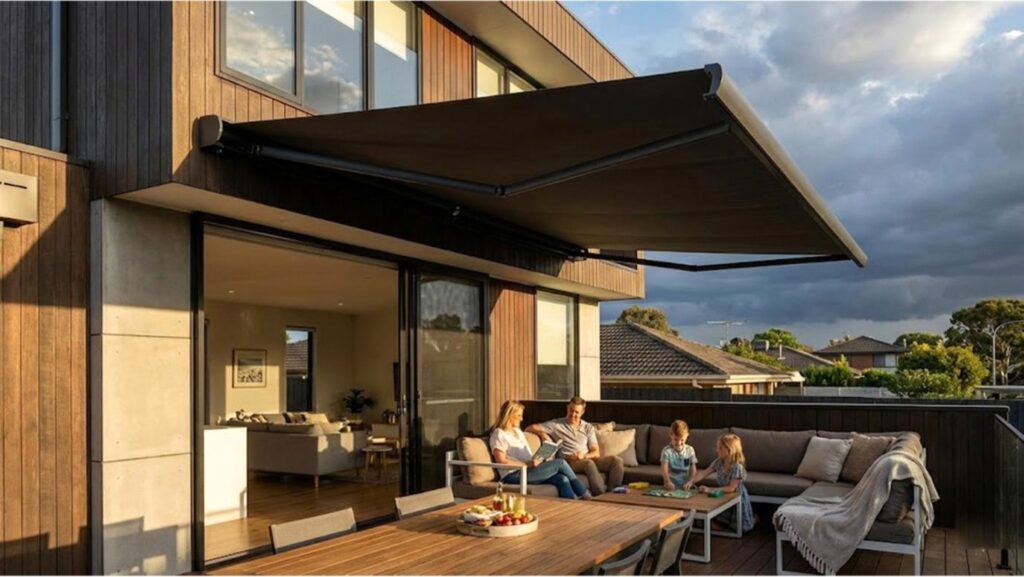
Awnings aren’t just a luxury. They provide shade, protection, energy savings, and style. Motorised and retractable options are ideal for large decks, west-facing rooms, or families seeking convenience. Manual options work for smaller spaces or tighter budgets.
With over 35 years of experience, Shade Systems helps Melbourne homeowners make informed choices. Whether you’re battling afternoon sun, sudden storms, or UV damage to furniture, a high-quality awning is a practical, long-term investment.
Next time Melbourne’s sun is relentless or a sudden storm hits, you’ll be glad your decision gave you comfort, safety, and peace of mind.